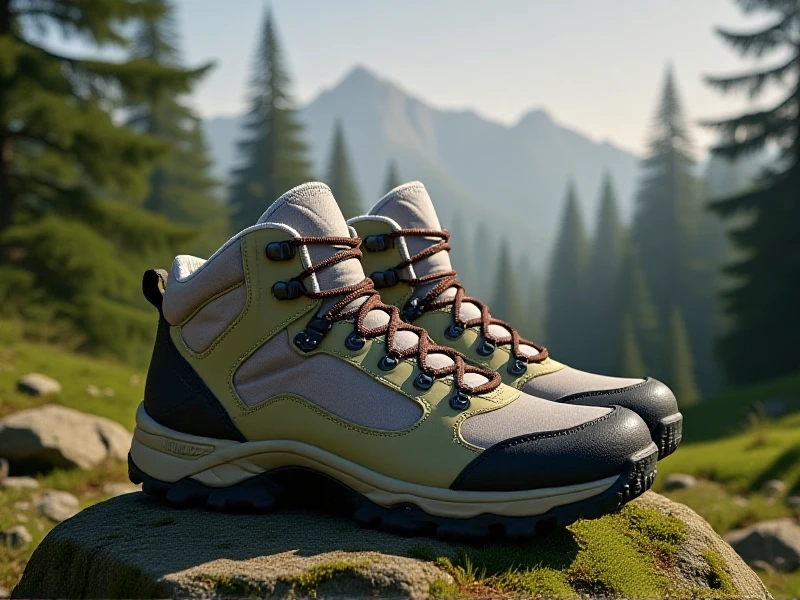
Ultimate Hiking Boots Guide: Find Your Perfect Trail Partner
Your hiking adventure deserves the right foundation. Forget flimsy shoes; choosing the best hiking boots is crucial for conquering trails comfortably and safely, transforming a potentially grueling slog into pure backcountry joy. Whether you're tackling gentle nature paths or rugged mountain terrain, the support, protection, and traction provided by proper boots are non-negotiable.
Why Proper Hiking Boots Matter
Think of your feet as the engine driving your entire hike. Hiking boots deliver essential features everyday shoes lack:
- Ankle Support: Prevents twists and sprains on uneven ground.
- Rugged Traction: Aggressive outsoles (like Vibram) grip mud, rock, and loose gravel to prevent slips.
- Underfoot Protection: Midsoles cushion impacts and protect soles from sharp rocks.
- Weather Defense: Waterproof membranes (e.g., Gore-Tex) keep feet dry in rain, snow, and wet grass, while breathable designs prevent overheating.
- Durability: Built tough to handle abrasion, rocks, and miles of wear.
Key Features to Look For
Not all hiking boots are created equal. Match your boot to your adventures:
- Cut & Height:
- Low-Cut (Hiking Shoes): Lightweight, flexible. Best for well-maintained trails, day hikes, and dry conditions.
- Mid-Cut: Most popular choice. Excellent ankle support for uneven terrain, carrying midsize packs. Versatile for most day hikes and weekend trips.
- High-Cut: Maximum ankle stability and protection. Essential for heavy backpacking loads, steep technical terrain, or traversing scree fields.
- Waterproofing: Essential if you hike in wet climates, snow, or early morning dew. Gore-Tex and similar liners offer reliable protection without sacrificing breathability. Non-waterproof boots are cooler and dry faster but offer no wet weather defense.
- Support & Stiffness: Measured by the boot's midsole shank. Stiffer boots provide better support for heavy loads and rocky trails. More flexible boots are comfortable for lighter walking on smoother paths.
- Materials:
- Full-Grain Leather: Highly durable, naturally water-resistant, offers great support. Often heavier. Needs more breaking in.
- Suede/Nubuck Leather: More supple than full-grain, generally lighter weight, still durable. Usually treated with DWR for water resistance.
- Synthetics (Nylon, Polyester): Lightweight, quick-drying, often more affordable. May wear faster than leather.
- Hybrids: Combine leather, suede, and synthetics for a balance of weight, durability, and breathability.
Finding Your Fit
Trying hiking boots on is vital:
- Shop in the Afternoon: Feet swell slightly during the day.
- Wear Hiking Socks: Use the socks you'll hike in for a true fit.
- Measure Both Feet: Size changes! Get both measured every time.
- Adequate Toe Room: Wiggle room (about a thumb's width) at the end ensures toes don't jam downhill.
- Secure Heel Lockdown: Heel shouldn't lift noticeably – prevents blisters.
- Walk & Test: Walk on an incline/decline simulator if available.
Caring For Your Investment
Extend your hiking boots' lifespan:
- Clean Regularly: Brush off dirt; use specialized boot cleaner for deep cleans.
- Dry Properly: Remove insoles; air dry naturally away from direct heat never on a radiator.
- Condition Leather: Apply leather conditioner periodically to prevent cracks.
- Re-waterproof: Use appropriate treatments to maintain DWR finish.
- Re-tread: Replace worn outsoles before the midsole is damaged.
Investing in the right pair of hiking boots is investing in your enjoyment and safety outdoors. Consider where you hike most frequently, the weight you carry, and your personal fit preferences. Trying on several styles is key. Once you find your perfect trail partner, you'll feel unstoppable, ready to explore further and push boundaries. Lace up the right boots, step out that door, and discover the world underfoot. Your best adventures begin with well-supported feet.